Covid-19 Variable child1 School age children in the household Datafilesindresp_w indresp_t schild_t indresp_tindresp_wschild_t Wave 2 (cb_child1 indresp_t) Value labelValueAbsolute frequencyRelative frequencyInapplicable-864890.25%Yes1496.82%No2212.92%Total718100.0% MeanNumber MissingMinMaxStd DevN1.36481.02.00.4670 Wave 1 (ca_child1 indresp_w) Value labelValueAbsolute frequencyRelative frequencymissing-910.01%inapplicable-81210468.15%refusal-230.02%Yes1408422.99%No215698.83%Total17761100.0% MeanNumber MissingMinMaxStd DevN1.28121081.02.00.455653 Wave 2 (cb_child1 schild_t) Value labelValueAbsolute frequencyRelative frequencyYes157100.0%Total57100.0% MeanNumber MissingMinMaxStd DevN1.001.01.0057
blogWhich policies can both boost growth and help people on low incomes?Traditionally, reducing labour market insecurities has been pursued as a separate goal. But five policy areas could boost both productivity and equality18 May 2026
Case studyAutumn Budget 2025 supports ‘most vulnerable’Living standards think tank used our data to assess government economic policy11 May 2026
newsRegistration now open – Biosocial Conference 2026: combining biological and social dataUnderstanding Society is pleased to announce that registration is now open for its Biosocial Conference 2026.11 May 2026
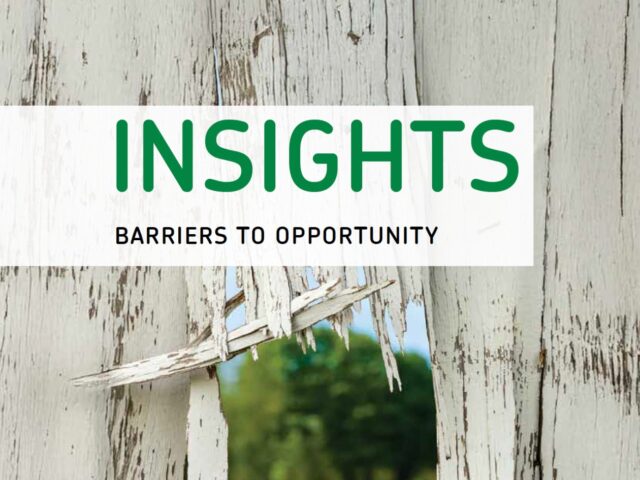
blogBarriers to opportunity for children and young peopleUnderstanding Society’s Insights report for this year sets out what research using our data tells us about children’s development and young people’s life chances. 27 Apr 2026